100 Men Complete FWCC’s Gender-Transformative Training
FIJI NEWS
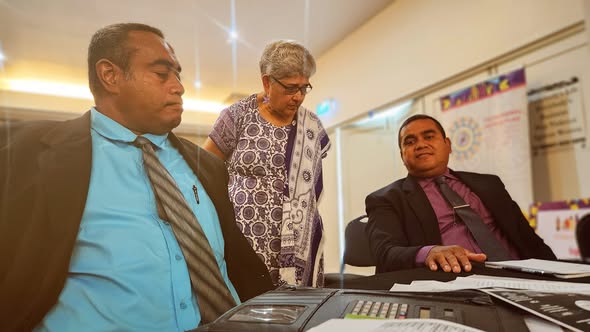
The Fiji Women's Crisis Centre (FWCC) has marked a major milestone in its long-running Male Advocacy for Women’s Human Rights Programme, announcing that 100 men from Rewa and Cakaudrove completed intensive gender-transformative training in 2025.
The Centre says the growing demand reflects a wider national recognition that preventing violence against women and girls requires men to challenge harmful ideas about masculinity and take responsibility for meaningful behavioural change.
Established in 2002, the programme is one of the Pacific’s earliest home-grown initiatives designed to engage men in feminist-aligned violence-prevention work.
FWCC stresses that the process begins with women—consulting them first to ensure that their concerns, safety and priorities guide any engagement with men.
Only then do male participants undergo a week of intensive training covering patriarchy, power and control, socialisation, rape myths, victim-blaming, respect, equality and ethical support of survivors.
FWCC says assessments from this year’s training cycle show tangible changes in households and communities. Women have reported improved communication, shared domestic responsibilities, and partners becoming more mindful of the everyday pressures women face.
Some men have also begun calling out sexist jokes or peer behaviour that supports harmful norms. One participant in Rewa has begun joining his wife on her fishing trips and preparing dinner for her—a visible shift in understanding partnership and care.
FWCC Coordinator Shamima Ali says these shifts demonstrate the deeper purpose of the programme.
“We are seeing men reflect deeply on their roles and take genuine steps to change their behaviour. Prevention is possible when men listen to women, respect women’s rights, and commit to building homes and communities grounded in equality and non-violence,” she said.
The programme also integrates mental health and emotional well-being, recognising that restrictive ideas about masculinity often discourage men from seeking help or expressing vulnerability—an important component for long-term violence prevention.
FWCC’s approach has gained regional and international recognition as a leading Pacific model for ethical male engagement. Research globally shows that when men’s programmes remain accountable to women and aligned with feminist human-rights principles—such as the Warwick Principles—communities can achieve long-term reductions in intimate-partner violence.
FWCC is calling on government ministries, provincial offices, traditional leaders, youth groups, religious institutions and development partners to expand evidence-based male engagement initiatives as part of national violence-prevention strategies—while ensuring that funding for women’s rights organisations and essential services is not reduced.
The Centre is also encouraging men across Fiji to reach out for future training opportunities.
Duavata News (Fiji) PTE LIMITED © 2024
☏ 3317438
📧 editor@duavata.news