
Emergency Committee Reviews Fiji’s National El Niño Drought Response
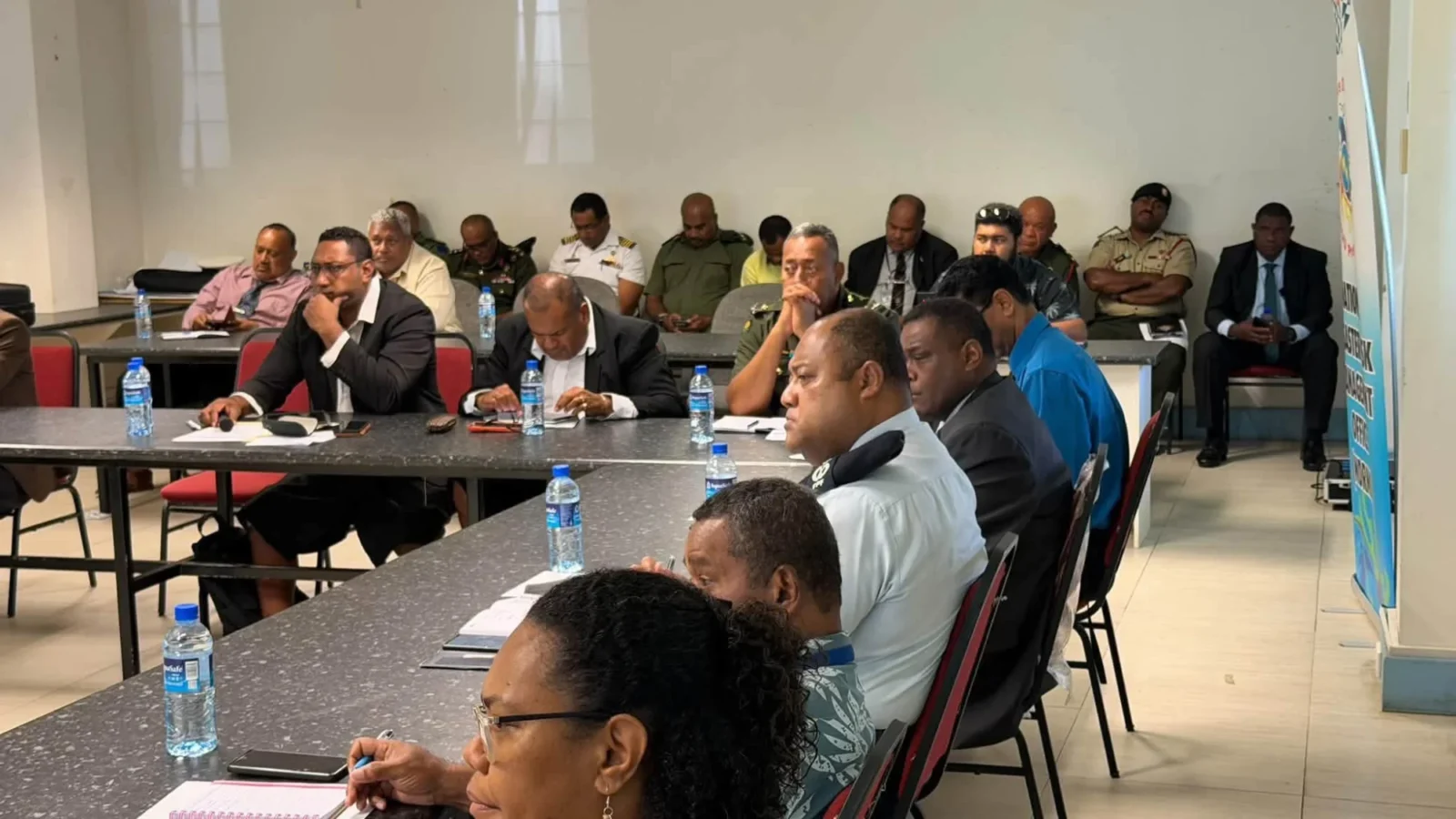
The Emergency Committee of the National Disaster Risk Management Council met yesterday to review and strengthen Fiji’s ongoing response to the El Niño-induced drought, as the country enters the sixth day since the National State of Disaster was declared on November 18, 2026.
The meeting was chaired by Permanent Secretary for Rural and Maritime Development and Disaster Management and National Disaster Controller, Mitieli Cama, with Permanent Secretaries and senior representatives from Government ministries and agencies, including the Republic of Fiji Military Forces (RFMF), participating in discussions.
The committee reviewed the current national situation and assessed ongoing interventions aimed at addressing the impacts of drought, particularly water shortages and the needs of affected communities.
Discussions included updates from the Fiji Meteorological Service on current weather conditions and the tropical cyclone outlook for the 2027–2028 season, as well as an update from the Water Authority of Fiji on the country’s current water situation.
Director of the National Disaster Risk Management Office (NDRMO) and National Coordinator, Napolioni Boseiwaqa, also briefed the committee on operational arrangements and the implementation of the El Niño Preparedness and Response Plan.
His briefing covered the current situation, response interventions, budget, Incident Action Plan, implications of the National State of Disaster declaration, coordination gaps and the way forward.
Permanent Secretaries and Chief Executive Officers also provided updates on response activities being undertaken across their respective sectors.
The meeting was aimed at strengthening coordination among Government agencies, assessing the effectiveness of ongoing interventions and identifying areas requiring further attention to ensure a unified national response.
As Fiji continues to experience the effects of El Niño, Government agencies remain focused on addressing water shortages, supporting affected communities and ensuring essential assistance reaches those most in need.
More from Duavata
FijiVillage Apologises for Publishing Misleading Headline

NFP Welcomes Benjamin Kush as Proposed Candidate for Next General Election
Fiji Schools to Close Early Amid El Niño Disaster
Healthcare and Development comes first says Prasad