

Fiji’s Economic Growth Forecast Revised Upward to 1.8 Percent for 2026

Fiji’s economic growth forecast for 2026 has been revised upward to 1.8 percent from the previously projected 1.5 percent, reflecting stronger than expected economic activity, particularly in tourism, trade and investment.
In a statement, Reserve Bank of Fiji Governor and Chairman of the Macroeconomic Committee, Governor Ali, said the economy had demonstrated resilience despite global fuel price pressures and emerging El Niño conditions.
Tourism remains a key driver of economic growth, with visitor arrivals increasing by 4 percent up to October. Arrivals are projected to grow by 3.5 percent this year, with Fiji expected to surpass one million visitors by the end of 2026.
Growth has also been supported by higher household incomes, remittances, government spending and increased investment, particularly in construction and real estate.
However, the economic outlook for 2027 has been revised downward to 2 percent from the earlier forecast of 2.5 percent, largely due to the expected impact of severe El Niño conditions.
Dry weather is expected to affect agricultural production, livestock, water availability and hydropower generation, placing additional pressure on economic activity.
The economy is projected to recover, with growth forecast at 2.7 percent in both 2028 and 2029. However, labour shortages, low productivity and infrastructure gaps remain key challenges to medium-term growth.
The Reserve Bank also warned that inflationary pressures could persist due to rising food prices, reduced agricultural output, fuel costs and ongoing global supply chain disruptions.
Meanwhile, Fiji’s foreign reserves stood at approximately $4.4 billion as of November 24, sufficient to cover around 5.5 months of retained imports. Reserves are expected to remain at adequate levels in the near to medium term.
Governor Ali highlighted that climate-related events, geopolitical tensions and global economic uncertainty remain key risks to the outlook.
He also stressed the importance of addressing wider social challenges, including HIV, illicit drug use and crime, noting their potential impact on workforce productivity, social wellbeing and inclusive economic development.
The Macroeconomic Committee will continue monitoring global and domestic developments, with the next review of economic projections scheduled for the second quarter of 2027.
More from Duavata

GCC Holds Second Meeting of 2026 in Suva
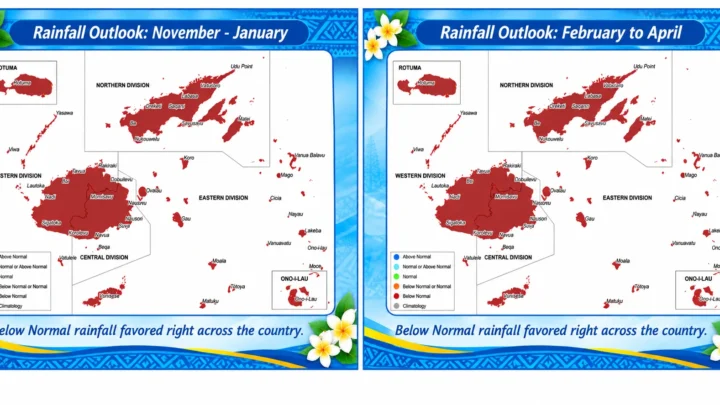
Fiji Faces Below Normal Rainfall Through April

Vosarogo Supports Proposal to Fund Drug Rehabilitation

Sporting Bodies Urged To Postpone Non- Essential Events Amid Water Crisis