Children's Future Is Not a Bargaining Chip, Says FCCC
FIJI NEWSTOP STORIES
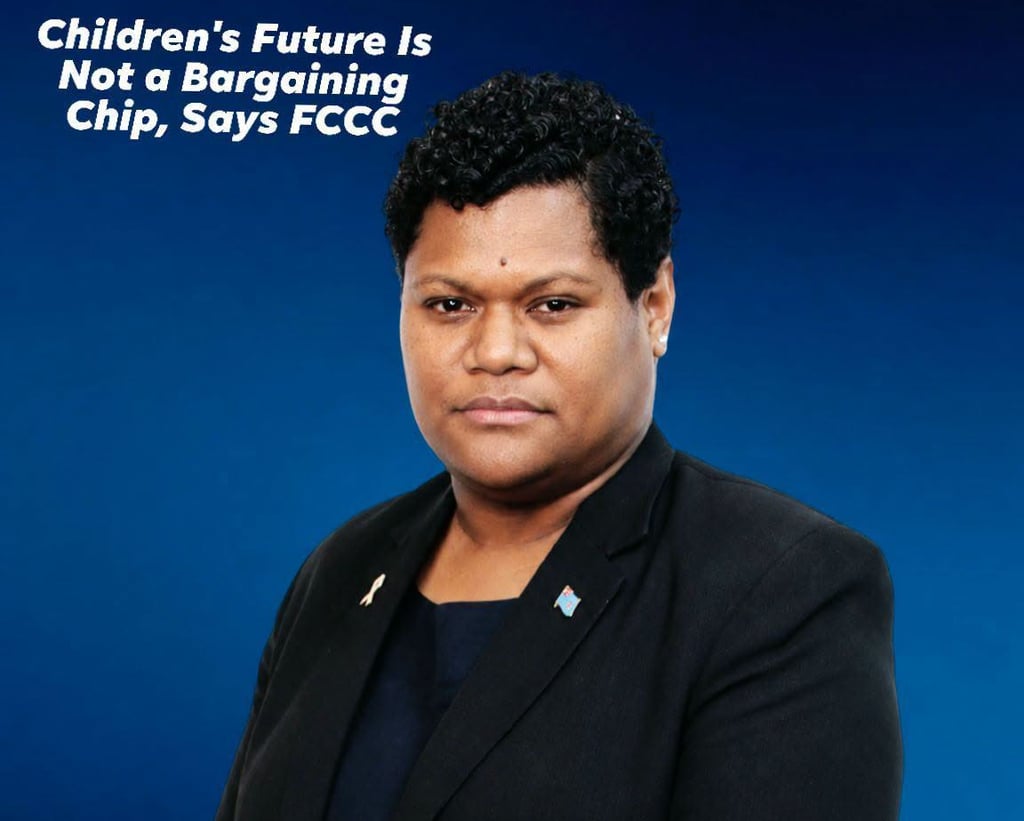
The Fijian Competition and Consumer Commission (FCCC) has commenced enforcement action following the suspension of scheduled bus services for school students in Taveuni, warning that children's education must never be used as leverage in commercial or regulatory disputes.
The Commission is investigating whether the decision by the island's sole scheduled bus service provider amounts to unconscionable conduct under Section 76 of the FCCC Act 2010. FCCC says appropriate enforcement processes are already underway and legal proceedings will be pursued if breaches of the Act are established.
The suspension has disrupted transport for students during their examination period, leaving many with limited or no alternative means of travelling to school.
FCCC Chief Executive Officer Senikavika Jiuta described the situation as unacceptable, saying the future of Fiji's children "is not an acceptable bargaining chip."
"Every child deserves the opportunity to attend school and sit their examinations without worrying about how they will get there. Essential services exist to serve communities, and no commercial or regulatory dispute should ever come at the expense of children's education or the wellbeing of families," Ms Jiuta said.
She said operators that hold a monopoly over an essential service have a greater responsibility to the communities that rely on them.
"Where a business is the only provider of an essential service, its responsibilities extend well beyond the bottom line. A monopoly carries with it an obligation to act responsibly and in the interests of the communities that have no alternative but to rely on that service," she said.
Ms Jiuta also stressed that the Commission's regulatory decisions would remain independent and would not be influenced by attempts to pressure the regulator.
She said FCCC's immediate priority is ensuring students can continue attending school and sit their examinations without further disruption, while those responsible for the suspension are held accountable if any breaches are identified.
The Commission confirmed it is in the final stages of assessing the bus operator's fare review application, with a decision expected soon. However, FCCC emphasised that the fare review is entirely separate from the enforcement process.
In assessing regulated bus fares, the Commission considers factors including fuel costs, wages, maintenance expenses, operating costs, capital investment requirements and a reasonable return on investment, while balancing affordability for passengers with the long-term sustainability of essential public transport services.
FCCC has encouraged members of the public with concerns about regulated bus services or potential breaches of the FCCC Act to contact the Commission through its consumer helpdesk.
Duavata News (Fiji) PTE LIMITED © 2024
☏ 3317438
📧 editor@duavata.news