Government Urges Calm, Warns Against Fuel Hoarding Amid Middle East Tensions
FIJI NEWS
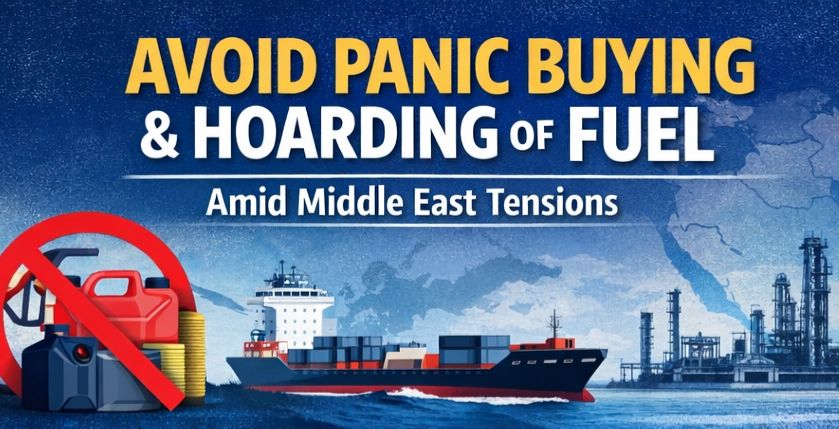
The Government is urging Fijians to remain calm and avoid panic buying or hoarding fuel as it monitors the possible impact of escalating tensions in the Middle East on global oil supply.
In a public advisory, Government said it is closely watching international developments, including the potential effect on major oil supply routes such as the Strait of Hormuz, which remains one of the world’s key petroleum transit corridors.
It said Fiji, like many island nations, relies heavily on imported fuel for transport, industry and parts of electricity generation, but there is currently no indication of any immediate disruption to local fuel availability.
According to Government, fuel companies have confirmed that stocks currently held in Fiji remain sufficient, with supply levels ranging from around 20 to 45 days depending on the product. Additional fuel shipments are also already scheduled.
Government said Fiji’s main supply sources remain Singapore, Korea and Malaysia, which are not currently affected by the conflict, while regular communication continues with suppliers on any anticipated risks.
It also noted that local fuel prices do not usually respond immediately to global market changes, as domestic price adjustments generally occur with about a one-month lag.
Members of the public are now being strongly advised to continue purchasing fuel as normal and not engage in stockpiling.
Government warned that fuel hoarding is illegal and also creates serious fire and safety risks. It said panic buying could place unnecessary pressure on the national fuel distribution system and may trigger temporary shortages at service stations, affecting essential services and ordinary consumers.
Government also highlighted that contingency planning measures remain in place under the Fuel and Power Emergency Act 1974 to protect critical services if global conditions worsen over a prolonged period.
These priority areas include hospitals and ambulance services, police and emergency response agencies, power generation, water and sanitation systems, telecommunications infrastructure, and disaster response operations.
Government said protecting essential services and maintaining economic stability remain top priorities, and it will continue working closely with industry stakeholders to monitor supply on a daily basis.
Fijians have been urged to remain responsible in their purchasing habits and spending, with Government saying further updates will be provided if the situation changes.
Duavata News (Fiji) PTE LIMITED © 2024
☏ 3317438
📧 editor@duavata.news