Media Personalities Targeted by Fake AI Content
FIJI NEWS
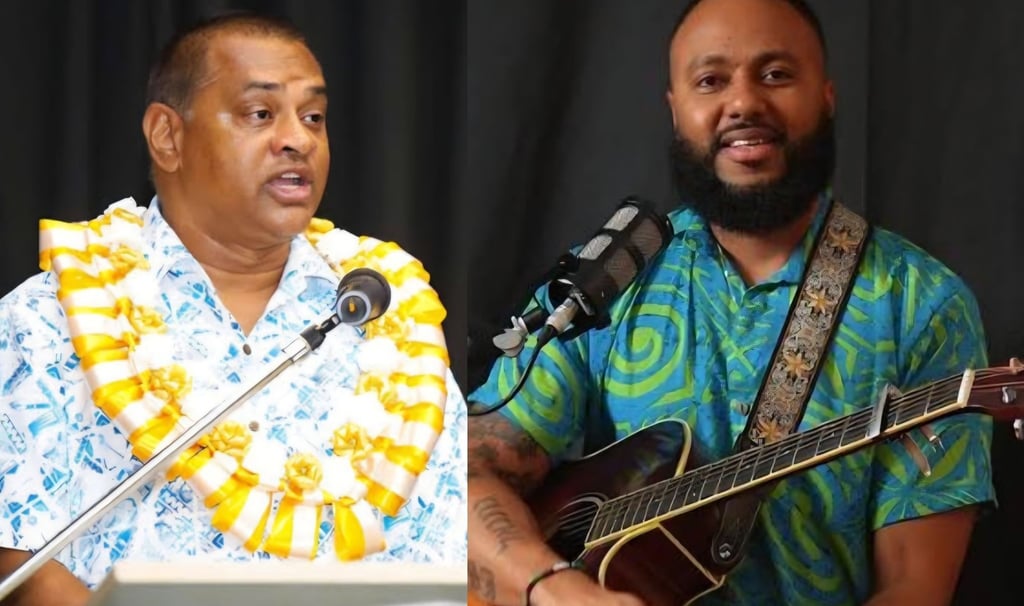
A growing number of fake social media accounts are using artificial intelligence to create fabricated headlines, manipulated content, and potentially defamatory posts targeting well-known media personalities and public figures in Fiji.
In one recent case, Apakuki Nalawa, lead singer of Inside Out and a prominent businessman, found himself forced to publicly respond after online trolls allegedly circulated false claims linking one of his businesses to illegal drug activity.
Nalawa took to social media to strongly deny the allegations, making it clear that his success had nothing to do with criminal activity.
“It’s not drugs. It’s not witchcraft. It’s just plain, simple hard work,” Nalawa said in a video posted online.
Nalawa used the opportunity to highlight the businesses he says have been built through years of work, including Resonance Entertainment, which he says employs close to 20 artists, his locally owned apparel brand Yandra, and Resonance Media, which provides production, photography, studio, and event services.
Addressing rumours that he had been arrested, Nalawa was equally direct.
“If you don’t know me from a bar of soap, please stop spreading rumours, because I am not arrested. I am right here in the comfort of my home, back from my hard day’s work, enjoying the fruits of my labour.”
In a separate incident, veteran media mogul Stanley Ian Simpson also raised concerns after a fake account operating under the name “Timoci Vikoko,” which he says was being used to generate AI-created fake headlines targeting members of Fiji’s media fraternity.
“This guy Timoci Vikoko, who is generating AI fake headlines, is obviously a fake account,” Simpson wrote.
Simpson pointed to what he described as obvious warning signs, including the account having just 15 friends, eight posts, and appearing to have been created only recently.
While many social media users quickly identified the content as fake, Simpson said some members of the public appeared to believe the fabricated posts, highlighting the growing need for stronger digital literacy and fact-checking.
Duavata News (Fiji) PTE LIMITED © 2024
☏ 3317438
📧 editor@duavata.news