No Contract Can Take Away Worker Safety Rights, Ministry Clarifies
FIJI NEWSTOP STORIES
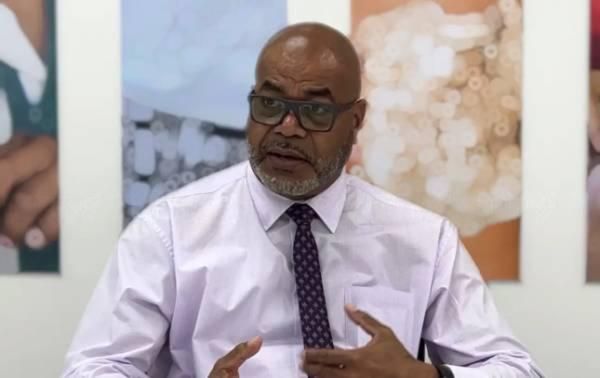
While many workers across Fiji sign employment contracts without a second thought, the Ministry of Employment is warning that no document, no matter how it is written, can legally strip away a worker’s right to be safe on the job.
Permanent Secretary for Employment, Productivity and Workplace Relations, Jone Maritino Nemani, says there is a growing need for workers to understand that safety is not something that can be negotiated away.
He pointed to Section 7 of the Health and Safety at Work Act 1996, which makes it clear that workplace safety protections cannot be removed or reduced through any agreement between an employer and employee.
“Workers need to know that signing a contract does not mean signing away their safety. The law protects them at all times,” Mr Nemani said.
He stressed that any clause attempting to limit an employer’s responsibility for safety has no legal standing, even if it appears in a formal agreement.
“Nothing you sign can override your right to be in a safe working environment, including both your physical safety and your mental wellbeing. These duties are placed on employers by law and cannot be avoided,” he said.
Mr Nemani said the Ministry is continuing its push to raise awareness around occupational health and safety, particularly as workplaces evolve and new risks, including psychosocial pressures, become more common.
He said safety must be seen as a basic standard, not a benefit or privilege.
“All workers have the right to go to work and return home safely. That is the minimum standard we must uphold,” he added.
Workers who believe their safety rights are being compromised are encouraged to reach out to the Ministry for guidance and support.
Mr Nemani also highlighted that Fiji will join the global community in observing World Day for Safety and Health at Work on April 28, reinforcing the message that preventing workplace injuries and protecting worker wellbeing must remain a national priority.
“Safety is not optional. It is a shared responsibility, and we all have a role to play in building safer workplaces,” he said.
Duavata News (Fiji) PTE LIMITED © 2024
☏ 3317438
📧 editor@duavata.news