No Peace Deal as Oil Crisis Set to Continue
WORLDFIJI NEWS
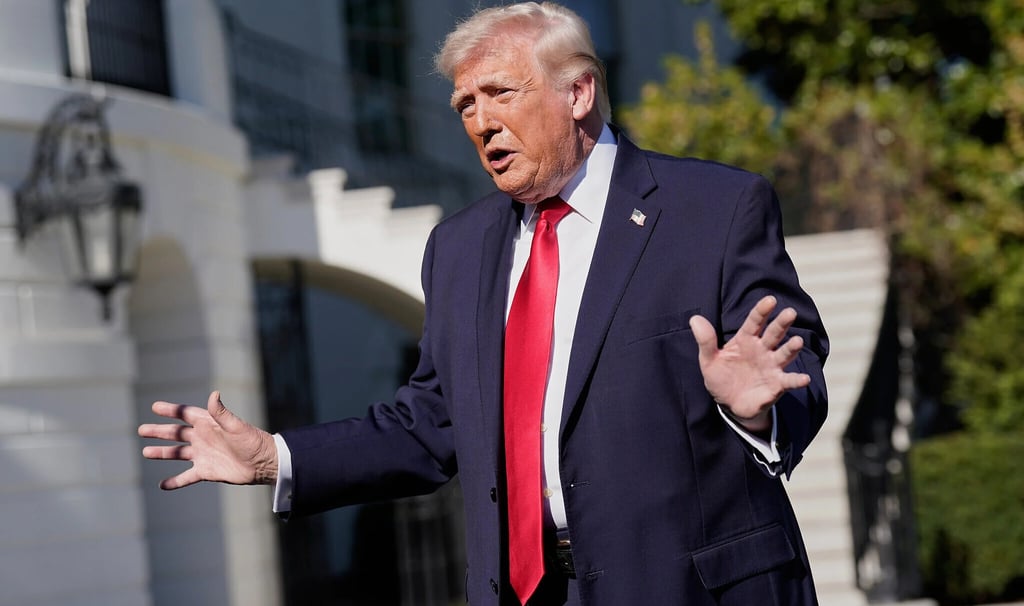
Tensions in the Middle East have escalated sharply after U.S. President Donald Trump announced that the U.S. Navy will move to prevent ships from passing through the Strait of Hormuz, accusing Iran of extorting vessels using the critical oil route.
The Strait of Hormuz is one of the world’s most important oil shipping lanes, and any disruption is expected to have immediate global consequences for fuel supply and prices.
The announcement comes after high-level talks between the United States and Iran in Islamabad ended without agreement. U.S. Vice President JD Vance said significant differences remain, particularly over Iran’s nuclear program.
“We need a commitment that Iran will not seek to develop a nuclear weapon. We haven’t seen that yet. We hope that we will,” Vance said following the talks.
At the same time, violence continues across the region. Israeli strikes in southern Lebanon, including in the town of Nabatieh, have resulted in multiple casualties. Israeli Prime Minister Benjamin Netanyahu said his government is seeking “a real peace agreement that will last for generations” with Lebanon.
Casualty figures continue to rise across the broader conflict. A U.S.-based human rights group estimates that nearly 3,400 people have been killed in Iran, including more than 1,600 civilians. More than 2,000 people have been killed in Lebanon, while 23 deaths have been reported in Israel. Thirteen U.S. service members have also been killed, with two additional deaths reported from non-combat causes.
The developments have raised concerns over further instability in the region, with potential ripple effects on global energy markets and international security.
Duavata News (Fiji) PTE LIMITED © 2024
☏ 3317438
📧 editor@duavata.news