ODPP finds insufficient evidence to lay charges from COI files
FIJI NEWS
The Office of the Director of Public Prosecutions (ODPP) has concluded that there is insufficient evidence to lay criminal charges arising from files submitted following the Commission of Inquiry (COI).
In a statement issued today, the ODPP confirmed it had completed its review of twelve files submitted by the Fiji Police Force for legal advice.
One file had earlier been closed with a decision not to charge in the matter of State v Barbara Malimali, due to insufficient evidence to support a prosecution.
The remaining eleven files have now also been reviewed, with the ODPP stating that there was not enough evidence to meet the required criminal standard of proof to sustain charges. The outcomes and summaries of those files will be returned to the Fiji Police Force later this week.
The complaints largely stemmed from allegations arising out of the COI, which led to a number of additional complaints and cross-complaints involving several public officers and senior legal practitioners.
The ODPP said the assessments were conducted by multiple senior prosecutors with no prior involvement or connection to any of the parties named in the complaints. The initial assessments were also subjected to an independent review by senior legal consultant Mr Ian Lloyd KC, who concurred with the findings and provided further recommendations on the analysis of the evidence.
The ODPP stated that its assessments were guided by relevant legislation, including the FICAC Act, the Electoral Act, and the Crimes Act, as well as applicable Court of Appeal authorities and constitutional principles.
In considering the evidence, the ODPP took into account factors such as the sufficiency of evidence, reasonable prospects of conviction, public interest considerations, statutory limitation periods, applicable immunity provisions, and the distinction between criminal and civil liability.
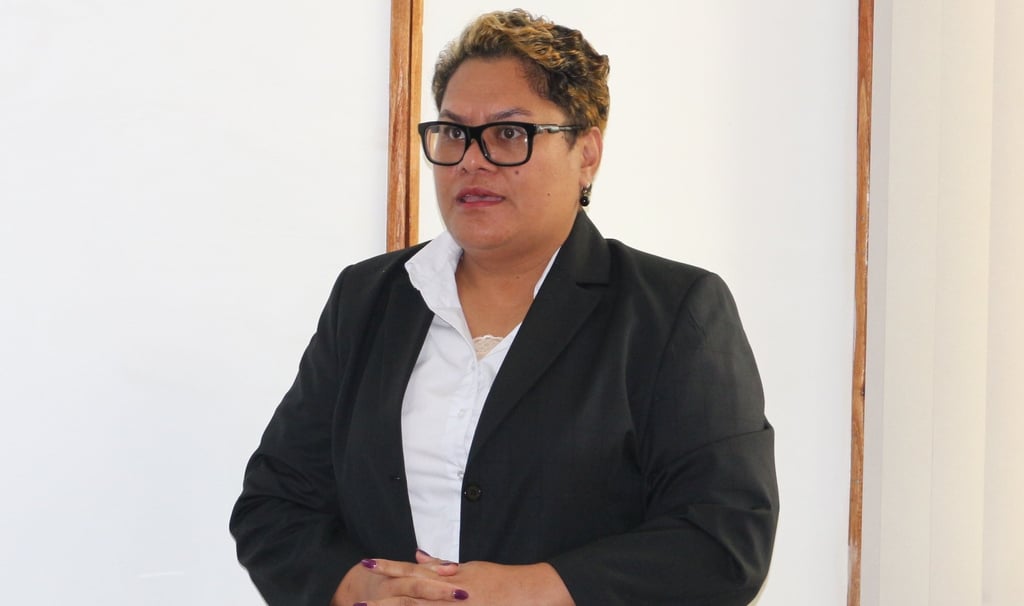
Acting Director of Public Prosecutions Nancy Tikoisuva said the ODPP would not be rushed or pressured into decisions and reaffirmed the institution’s independence.
“The ODPP is an independent constitutional body with its own mandate and operates strictly in accordance with the Prosecution Code and internal governance processes,” she said.
“Our review and decision-making processes are guided by evidence and the law, and are not dictated by political agendas, social media posts, or public opinion.”
Duavata News (Fiji) PTE LIMITED © 2024
☏ 3317438
📧 editor@duavata.news