Protect Yourself From the Deadly Nipah Virus
FIJI NEWS
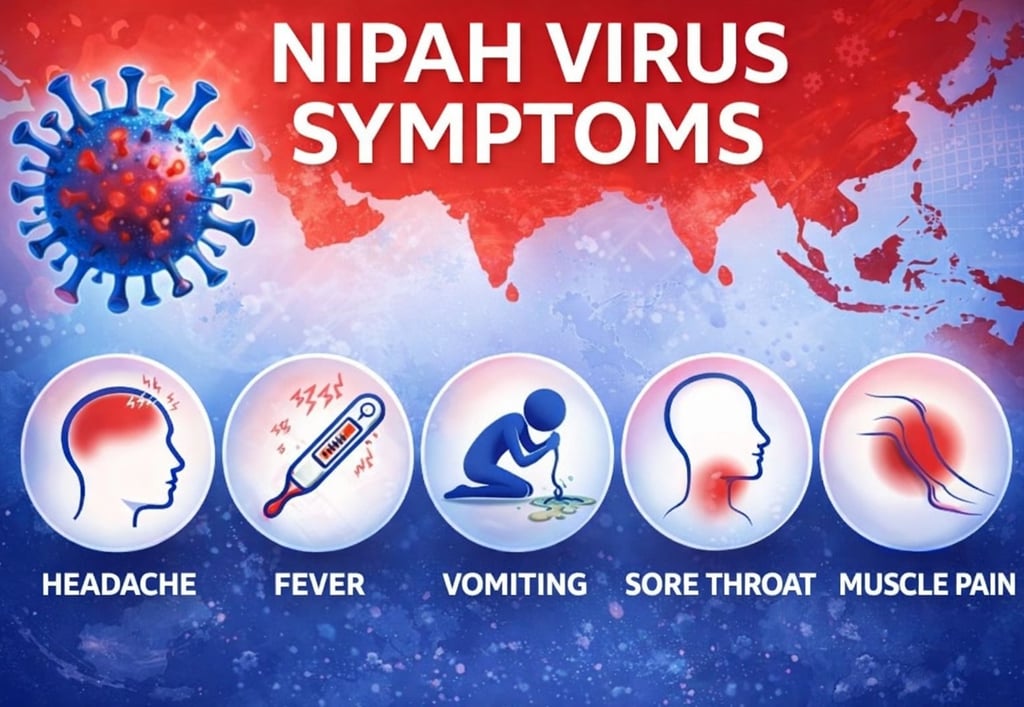
As countries across Asia report new outbreaks of the highly dangerous Nipah virus, we are urging the public to remain informed and vigilant, even as no cases have been confirmed in Fiji.
Nipah virus is a rare but extremely deadly zoonotic virus, meaning it spreads from animals to humans. It has been identified by the World Health Organization as a priority pathogen with pandemic potential, due to its high fatality rate and lack of a proven vaccine or cure.
Nipah virus infections are known to be severe. Past outbreaks have recorded fatality rates ranging from 40 percent to as high as 75 percent, depending on how quickly cases are detected and treated.
The virus can cause:
- Severe respiratory illness
- Swelling of the brain (encephalitis)
- Coma and death in serious cases
There is currently no licensed vaccine or specific treatment for Nipah virus. Medical care is largely supportive, making early detection critical.
Symptoms usually appear 4 to 14 days after exposure, but in some cases may take longer.
Early symptoms include:
- Fever
- Headache
- Muscle pain
- Fatigue
- Sore throat
As the illness progresses, more severe symptoms may develop, including:
- Difficulty breathing
- Persistent cough
- Drowsiness or confusion
- Seizures
- Loss of consciousness
Anyone experiencing these symptoms after recent international travel or contact with sick individuals should seek medical attention immediately.
Nipah virus can spread through:
- Direct contact with infected animals, particularly fruit bats and pigs
- Consumption of food contaminated by bats, such as raw fruits or unprocessed fruit juice
- Close contact with infected people, including exposure to bodily fluids
- Human-to-human transmission has been documented in several outbreaks.
How to Protect Yourself?
Health authorities recommend simple but effective precautions:
- Avoid consuming raw or unwashed fruits, especially those that may have been exposed to bats
- Do not drink raw date palm sap or unprocessed fruit juices
- Practice good hand hygiene, including frequent handwashing
- Avoid close contact with people showing flu-like or respiratory symptoms
- Seek medical advice promptly if symptoms develop
Travellers returning from affected regions are encouraged to monitor their health closely.
No Cause for Panic, But Stay Informed
There are currently no confirmed cases of Nipah virus in Fiji, and this advice is precautionary.
Duavata News will continue to monitor developments and provide verified updates as more information becomes available.
Duavata News (Fiji) PTE LIMITED © 2024
☏ 3317438
📧 editor@duavata.news