Sharma Calls for Stronger Checks and Balances in Constitution Review
FIJI NEWS
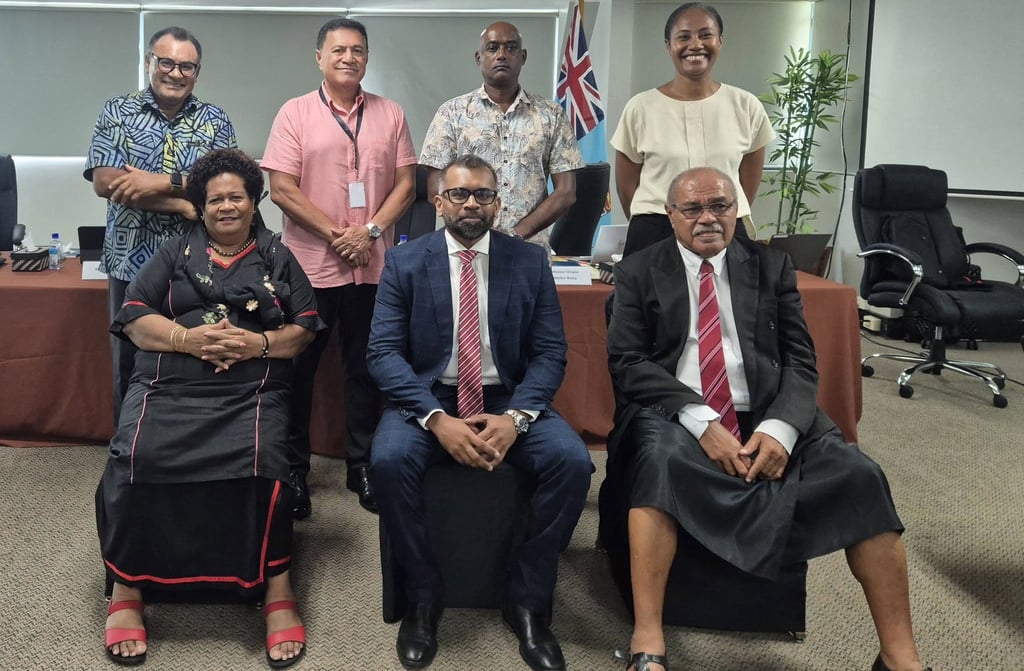
A University of the South Pacific Constitutional Law academic has called for stronger checks and balances, clearer separation of powers, and improved accountability mechanisms as Fiji undertakes its constitutional review.
Mr Navneel Sharma made a personal submission to the Constitutional Review Commission, outlining key areas he believes require reform to ensure the country’s Constitution remains credible, modern, and reflective of the people.
In his submission, Sharma said a constitution must go beyond being a legal document and should reflect Fiji’s identity, values, and long-term direction.
“Our Constitution should reflect the richness of Fiji’s history, the resilience of its people, and articulate a clear vision for the next fifty to one hundred years,” he stated.
Among his key concerns was the role of the Judicial Services Commission (JSC), which he said extends into areas beyond the traditional role of the judiciary, especially when it came to recommendations for appointments. He warned that this could blur the separation of powers and affect public confidence in institutional independence.
Sharma also raised concerns about the appointment of the President, noting that the current system—based on a simple parliamentary majority—may undermine perceptions of neutrality.
He suggested options such as a supermajority requirement and conscience voting to strengthen the legitimacy of the role.
On traditional governance, Sharma supported reconsideration of the Great Council of Chiefs, proposing it be recognised as an advisory body with clearly defined and limited functions within a modern constitutional framework.
He also called for the re-establishment of the Office of the Ombudsman, describing it as an accessible mechanism for addressing maladministration without the cost and complexity of court proceedings.
“Without such a body, accountability risks becoming reactive and court-driven rather than responsive and citizen-centred,” he said.
Sharma further questioned the current approach to Cabinet appointments, arguing that there should be a stronger link between electoral support and ministerial selection to enhance democratic legitimacy.
He also recommended reforms to emergency powers, suggesting that decisions should not be limited to security agencies but reflect broader national challenges, including public health and economic crises.
Sharma concluded by emphasising the importance of meaningful public consultation, urging that submissions be genuinely considered in the final drafting process.
“The views gathered should not only be recorded, but carefully considered and properly reflected,” he said.
The Constitutional Review Commission is continuing consultations across the country as part of its review process.
Duavata News (Fiji) PTE LIMITED © 2024
☏ 3317438
📧 editor@duavata.news