Trump Blockades Iran as China Goes Crying
WORLD
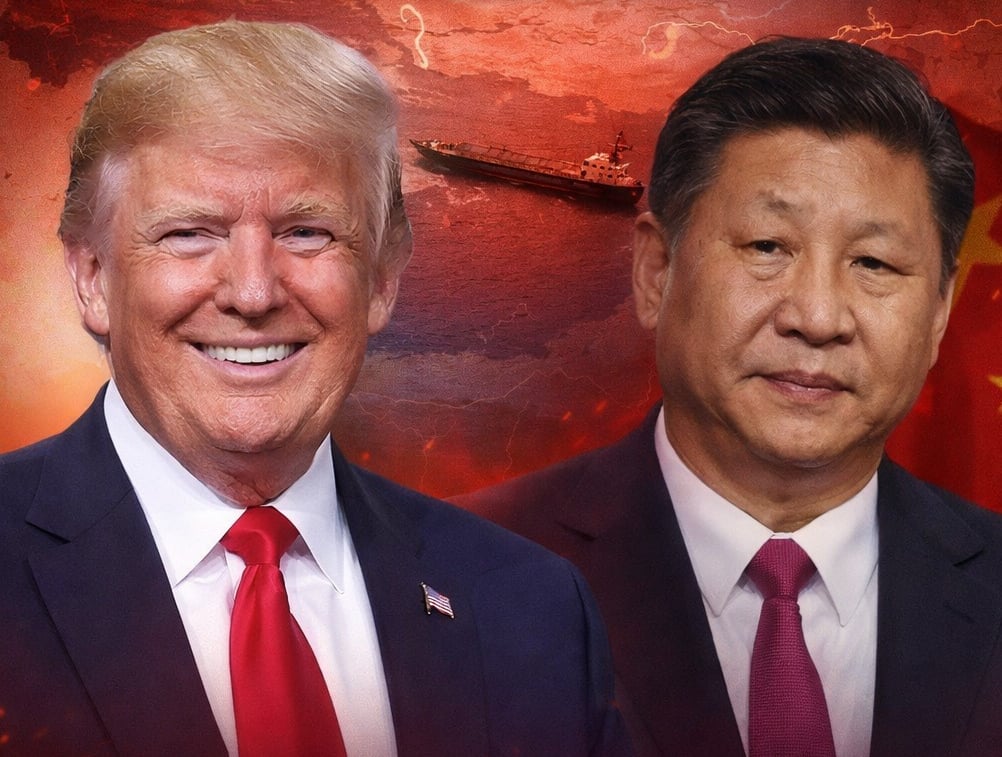
In what is being described as a tactical military masterclass, the US Navy, under President Donald Trump’s orders, has initiated a full military blockade on the Strait of Hormuz, taking the strait completely out of Iran's hands after Iran reportedly refused a no-nuclear-weapons condition as part of a deal to end the war.
The United States says the action is aimed at preventing Iran from using the vital shipping lane as leverage over the global economy. The Strait of Hormuz handles roughly one-fifth of the world’s oil supply, making any disruption immediately felt worldwide.
Within hours of the announcement, multiple oil tankers reportedly altered course or delayed entry into the region, highlighting the immediate operational impact of the blockade. Oil prices surged as markets reacted to the growing uncertainty.
Some news outlets reported that multiple oil tankers bound for China have been turned away, as the communist regime, being one of the largest oil importers from the Gulf, is reportedly losing USD 400 million a day because of the blockade.
Washington has framed the move as decisive and necessary.
Iran, however, has reacted angrily, labelling the blockade an act of “piracy” and warning that any interference with its sovereignty would be met with force. The situation has placed the region on edge, with fears that even a minor miscalculation could trigger wider conflict.
China, which a week ago vetoed a United Nations resolution that called Iran’s blockade of the strait illegal, has now changed its tune and gone crying to the international media.
China is calling for restraint and warning that the blockade risks harming global stability and economic recovery. Beijing’s response comes amid reports that Chinese-linked tankers were among those forced to reconsider movements through the strait.
In a statement, Chinese officials said the situation “does not serve the interests of any party,” urging de-escalation.
But the response has drawn scrutiny, particularly given China’s earlier diplomatic positions on similar tensions in the region. Beijing now finds itself exposed, heavily reliant on energy flows through a chokepoint it has limited ability to influence militarily.
The unfolding crisis underscores a stark reality: control over strategic maritime routes remains one of the most powerful tools in global geopolitics.
For now, the United States appears willing to test that leverage.
Duavata News (Fiji) PTE LIMITED © 2024
☏ 3317438
📧 editor@duavata.news