
Counter Narcotics Bill Passed as Fiji Strengthens Fight Against Drugs
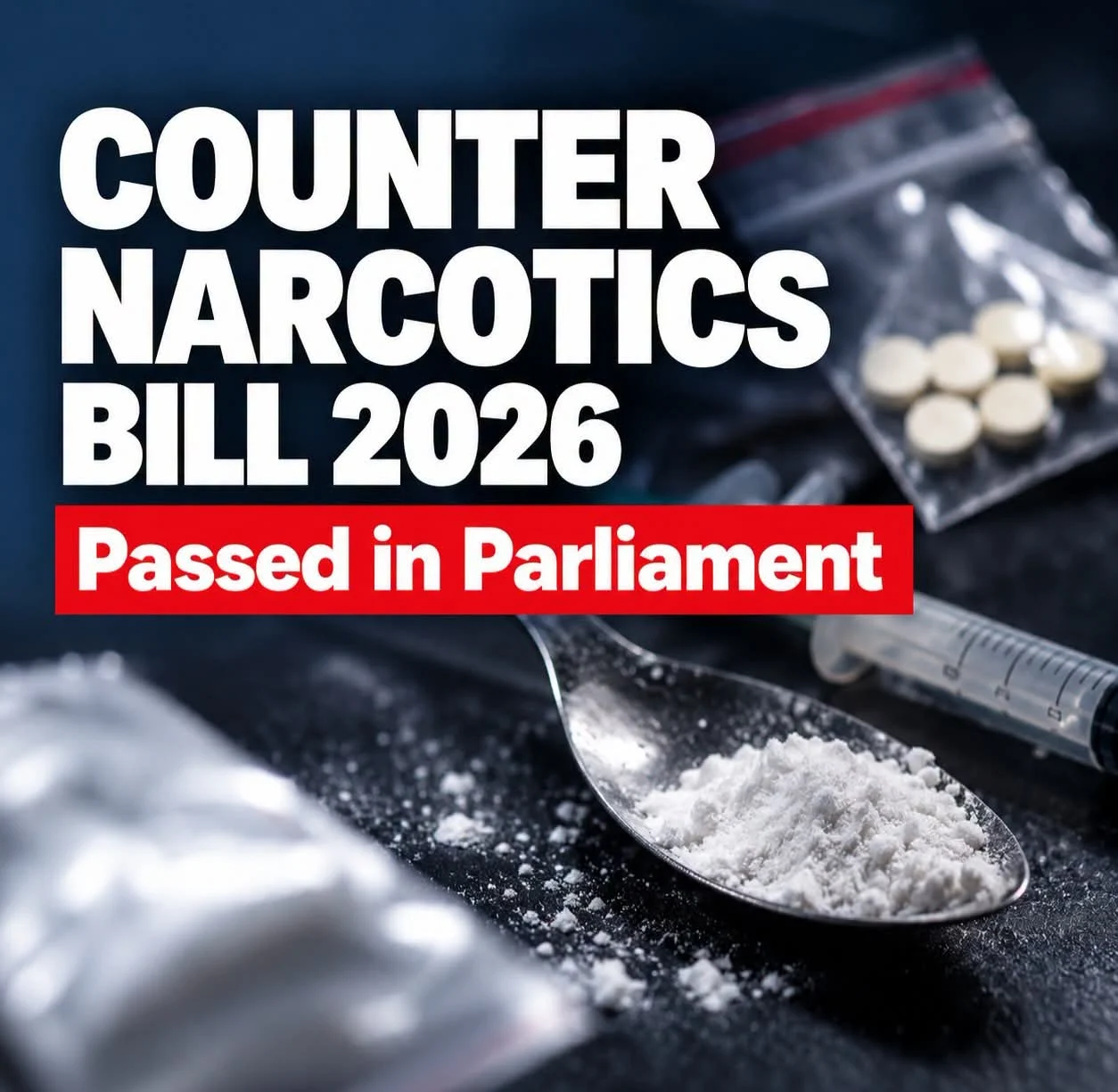
Fiji has taken a major step in strengthening its response to illicit drugs following the unanimous passage of the Counter Narcotics Bill 2026 in Parliament.
The new legislation establishes a comprehensive framework aimed at disrupting drug trafficking networks, strengthening investigations, targeting proceeds of crime and improving prevention, treatment and rehabilitation.
Minister for Policing Ioane Naivalurua told Parliament that Fiji’s drug threat continues to evolve, with organised criminal networks operating across borders, maritime routes, digital platforms and financial systems.
A major feature of the legislation is the establishment of the Counter-Narcotics Bureau as Fiji’s specialised national agency responsible for coordinating the fight against illicit drugs.
The Bureau’s responsibilities will extend beyond enforcement and investigations. Its mandate will also cover prevention, transnational organised crime, treatment and rehabilitation, protection of children, intelligence gathering and cooperation with local and international agencies.
The legislation also introduces a specific offence of narco-terrorism, covering the use of illicit drug activities to directly or indirectly support, finance or facilitate terrorism. The offence carries a maximum penalty of life imprisonment, together with provisions for forfeiture of connected property.
Naivalurua said the extensive powers provided under the legislation would be accompanied by safeguards, oversight and accountability. The Director-General of the Bureau will be required to act independently and impartially.
The legislation also places greater emphasis on rehabilitation and recognises a distinction between organised traffickers who profit from the drug trade and people affected by addiction, exploitation or vulnerability.
Special protections are included for children and other vulnerable people, while the framework provides for prevention programmes, early intervention, counselling, treatment, rehabilitation, aftercare and reintegration.
Opposition Leader Inia Seruiratu acknowledged the comprehensive nature of the legislation and expressed support for the independence of the Bureau, while also welcoming provisions relating to oversight, rehabilitation and the protection of children.
The passage of the Bill represents a significant overhaul of Fiji’s existing approach to illicit drugs, moving from a predominantly offence-based system towards a broader national framework involving law enforcement, health, social protection and international cooperation.
More from Duavata
$17 Million Returned to Landowners Through Land Bank
Drug Exhibits Vanish Before Planned Destruction

Four in Custody Following Drug Raids in Western Division
National Referendum Bill Passed Unanimously in Parliament