

Government allocates $96.3m for sugar industry reform
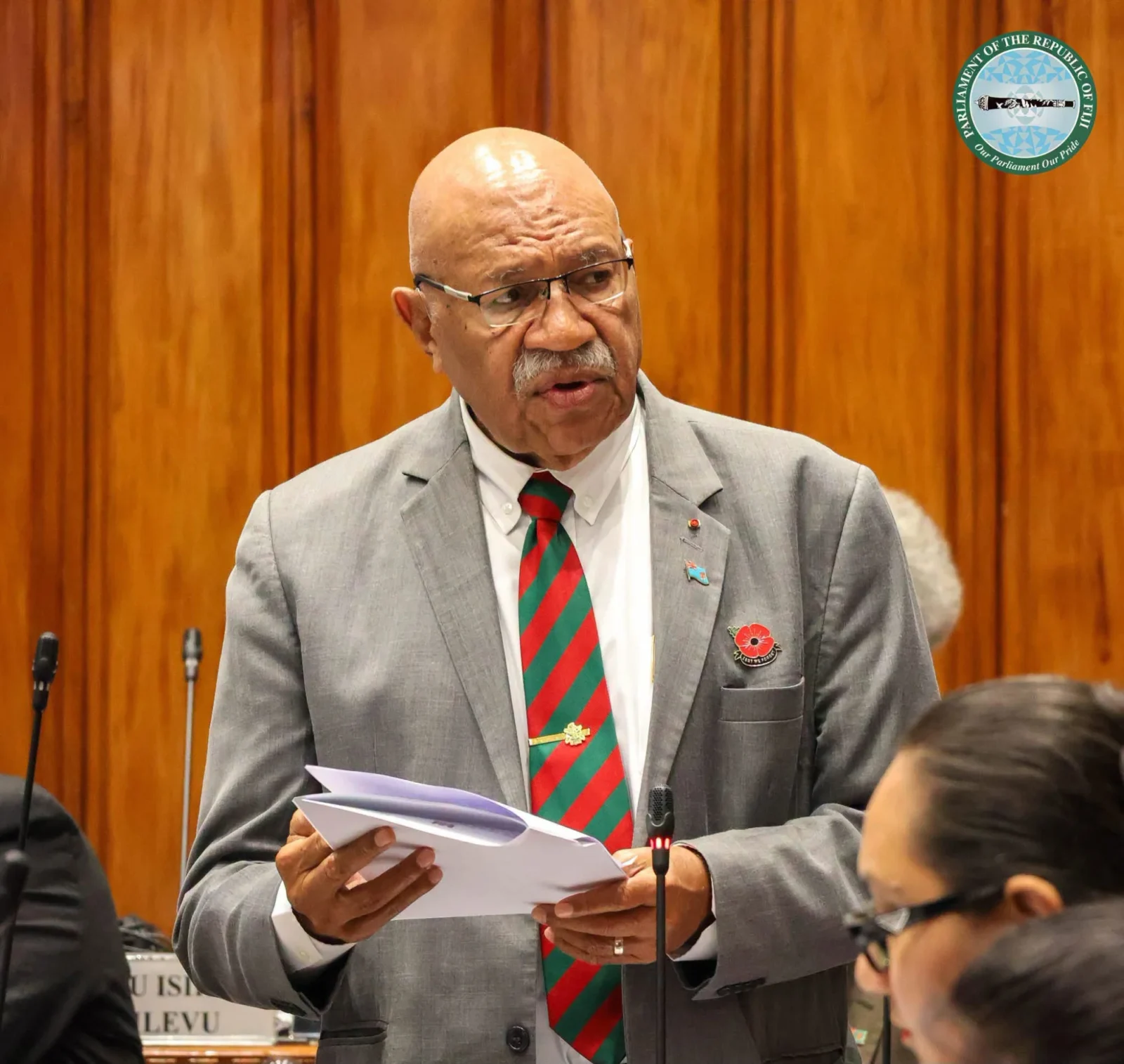
The Government has allocated $96.3 million to the sugar industry in the 2026–2027 National Budget, with Prime Minister Sitiveni Rabuka calling for reforms to protect growers’ livelihoods and reduce reliance on subsidies.
The allocation is up from $72.2 million in the previous financial year.
Responding in Parliament to three review reports on the industry, Rabuka said declining cane production, ageing mills, rising costs, labour shortages and land tenure uncertainties continued to affect the sector.
“Our position is clear: protect our growers, rebuild the industry’s productive capacity and transform sugar into a modern, commercially sustainable and diversified sector,” he said.
Rabuka said Government provided a $22-per-tonne top-up for the 2025 crushing season, amounting to approximately $36.5 million. The total payout reached $86.94 per tonne following the final payment of $6.06 per tonne.
For the 2026 season, Government has again guaranteed a minimum cane price of $85 per tonne to give growers greater income certainty amid rising production costs.
However, Rabuka said subsidies could not remain the industry’s permanent foundation, stressing the need to improve productivity and commercial performance.
Consultations in the Western and Northern divisions identified six priorities: grower profitability, Fiji Sugar Corporation’s performance, agricultural productivity, mechanisation, land tenure security, and institutional governance and accountability.
Government plans to boost cane production through improved farming practices, quality planting material, stronger agricultural extension services, cane rehabilitation and greater access to harvesting machinery.
Rabuka said opportunities were also being explored in ethanol, refined sugar, renewable energy and other biofuels, including sustainable aviation fuel.
He said these ventures could create jobs, increase export earnings and strengthen energy security, subject to commercial feasibility and responsible investment.
More from Duavata

US Needs to Explain Its Iran War Before Threatening Fiji

Employment Ministry pushes for faster support for Fijian workers overseas

US Report Exposes Alleged Abuse of Bangladeshi Workers in Fiji

Tourists Sexually Exploiting Fijian Girls on Yachts and in Hotels