
US Needs to Explain Its Iran War Before Threatening Fiji
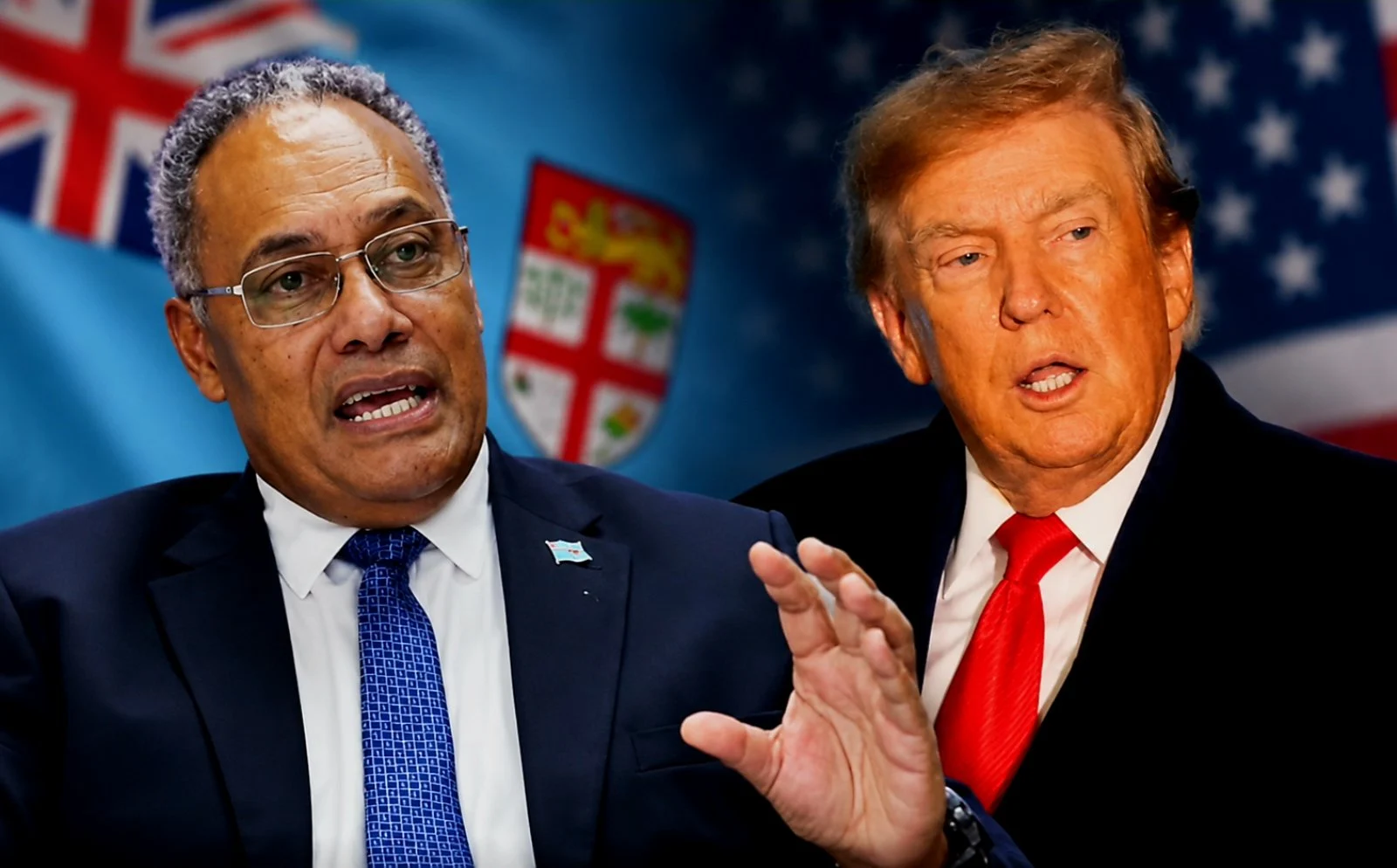
The United States provided Fiji with approximately US$10.6 million (FJ$23.85 million) in assistance during the 2025 financial year, according to US government spending figures tracked by Where My Taxes Go.
Washington is now threatening further restrictions on assistance if Fiji is downgraded to Tier 3 in its annual Trafficking in Persons Report.
However, the latest pressure comes after the Trump administration has already introduced several measures affecting Fiji, including trade tariffs, visa bond requirements and cuts to foreign aid.
In April 2025, the US announced an additional 32 percent tariff on Fijian exports, later reduced to 15 percent before the additional tariffs ended.
The Trump administration has also made sweeping cuts to USAID programmes, reducing development assistance around the world.
Fiji was also placed under a US visa bond programme requiring affected applicants for certain visitor visas to provide refundable bonds of up to US$20,000.
Meanwhile, the economic consequences of the Trump administration’s war with Iran have reached Fiji.
The Reserve Bank of Fiji warned that the conflict would affect the country through higher fuel prices, inflation, supply chain disruptions and risks to tourism.
These pressures affect ordinary Fijians, including families and businesses already struggling with rising living costs.
The war has also become a major political issue in the United States.
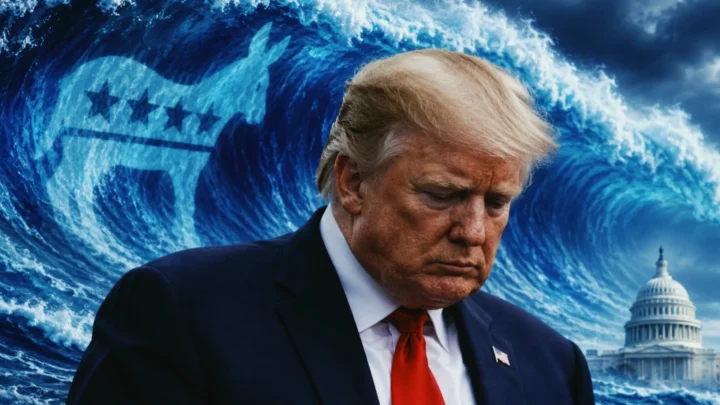
President Trump’s Republican Party suffered major defeats in this week’s midterm elections, with Democrats winning control of both the House of Representatives and the Senate.
The Iran war, rising living costs and dissatisfaction with the administration’s economic policies were among the major issues influencing voters.
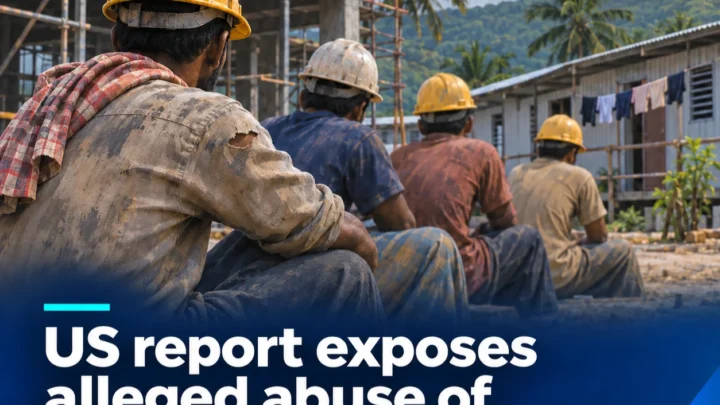
Despite these developments, Washington is raising the possibility of further financial consequences over Fiji’s handling of human trafficking allegations, particularly those involving the Grace Road Group.
The US report raises serious allegations that deserve investigation. However, allegations are not convictions, and Fiji has its own police, prosecutors, courts and immigration authorities responsible for dealing with such matters.
The threat of further economic restrictions raises a wider question about Fiji’s sovereignty and whether a powerful country should use financial pressure to influence decisions that must be made through Fiji’s own legal processes.
China, already a major development partner for Fiji, could potentially expand its economic and development assistance if American funding is reduced. However, no specific Chinese commitment to replace the threatened assistance has been announced.
Fiji must take human trafficking seriously and hold offenders accountable. But its investigations and legal decisions must be based on evidence and the law, not the threat of losing foreign assistance.
The United States must also recognise that its own foreign policy decisions, particularly the war with Iran, have imposed economic consequences on smaller countries such as Fiji.
More from Duavata
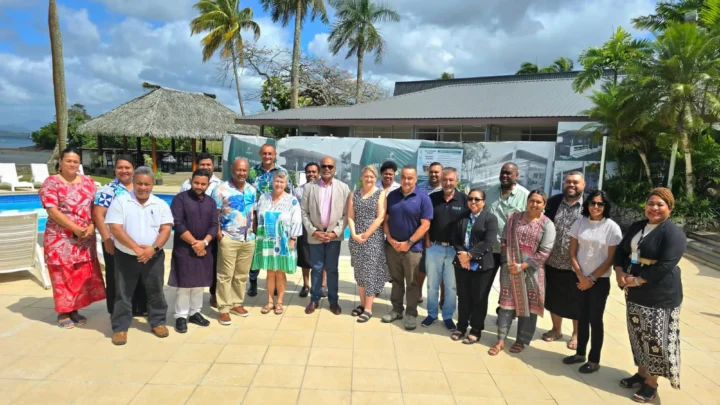
Employment Ministry pushes for faster support for Fijian workers overseas
US Report Exposes Alleged Abuse of Bangladeshi Workers in Fiji
Government allocates $96.3m for sugar industry reform

Tourists Sexually Exploiting Fijian Girls on Yachts and in Hotels