
Young Cakaudrove Farmer Builds Commercial Future From Village Land
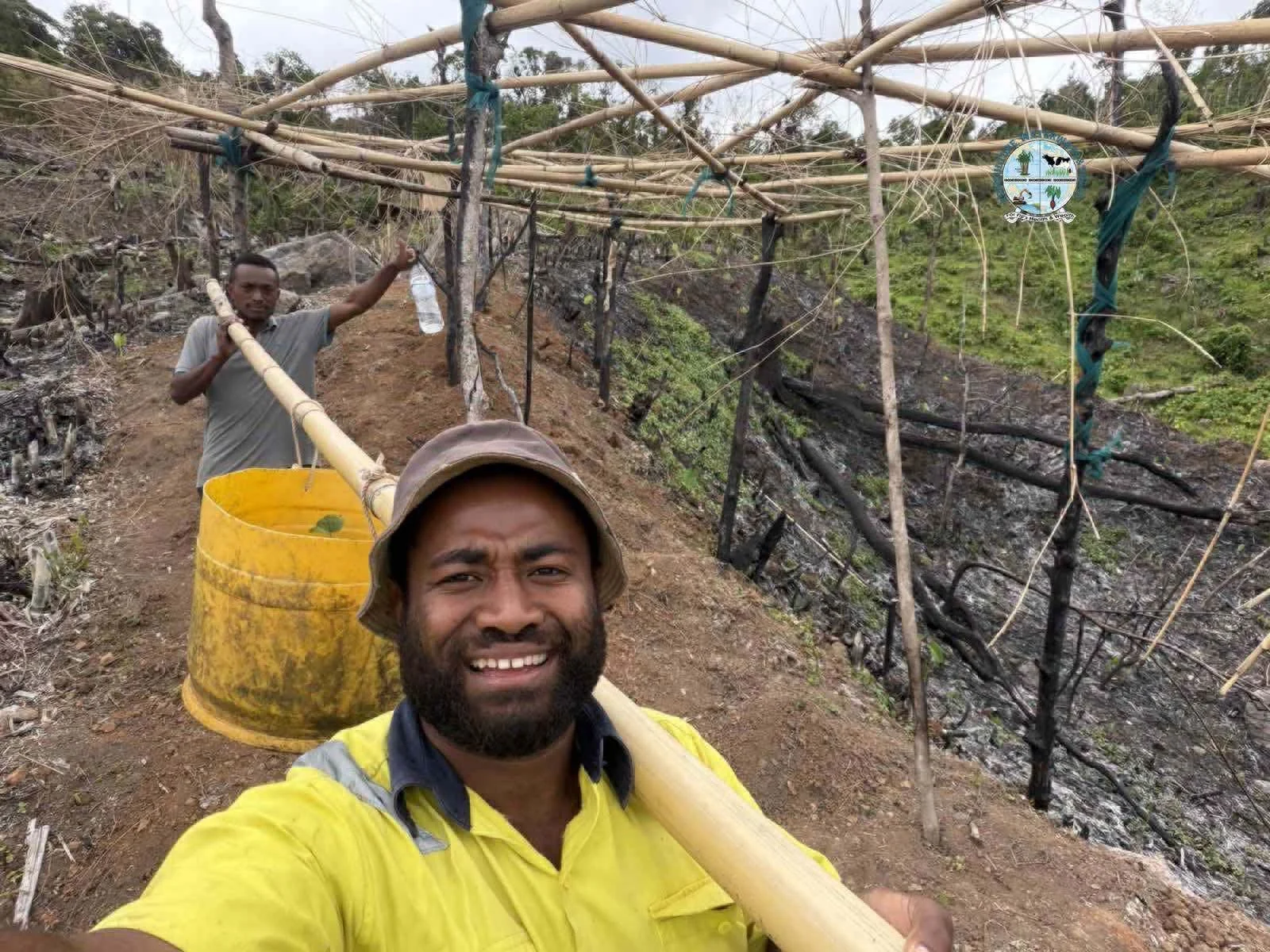
A 29-year-old farmer from Naiyarabale, Cakaudrove, is turning his village farm into a growing commercial enterprise, with a long-term goal of building a million-dollar agricultural business.
Paula Sovui Vakaruru began planting yaqona at the age of 19 and has since invested more than $30,000 of his own money into developing his farm.
Rather than pursuing opportunities in urban areas or overseas, Paula chose to invest in his family’s land, following advice from his father to invest in land and develop it productively.
He now has about 10,000 yaqona plants and is working to expand production, while also seeking technical support from the Ministry of Agriculture, Waterways and Sugar Industry.
While yaqona remains his main long-term investment, Paula has diversified his farming activities to generate regular income.
He recently harvested watermelon and earned more than $5,000, with further crops planned to maintain cash flow while his yaqona matures.
Paula’s next major investment is an excavator, which he believes will help increase productivity and allow the farm to move towards larger-scale commercial production.
“Efficient land preparation is the bottleneck. If we want to operate on a large scale, we cannot rely on hoes and spades alone,” he said.
He also recognises that managing labour and maintaining punctuality remain challenges in a village farming environment.
Despite these challenges, Paula remains focused on building a professional farming operation and believes agriculture should be viewed as a career rather than a last resort.
He is encouraging young people to consider farming as a business opportunity and to approach it with discipline, planning and consistency.
“You must wake up at 6am, prepare, and go to the farm every single day. You need a plan, and you need consistency,” he said.
Paula hopes his experience will encourage more young Fijians to invest in agriculture and recognise the economic potential of their own land.
His farm in Naiyarabale is now not only a source of livelihood but a growing example of how rural land can be transformed into a commercially viable business.
More from Duavata

Defending Champions India Beat USA at Chess Olympiad
CRC Proposes National Process to Decide Common Identity

Camillo Backs Rotuma Self-Governance
CRC Proposes No Major Electoral Law Changes Nine Months Before Elections