
Fiji Strengthens Regional Preparedness Through Bird Flu Simulation Exercise
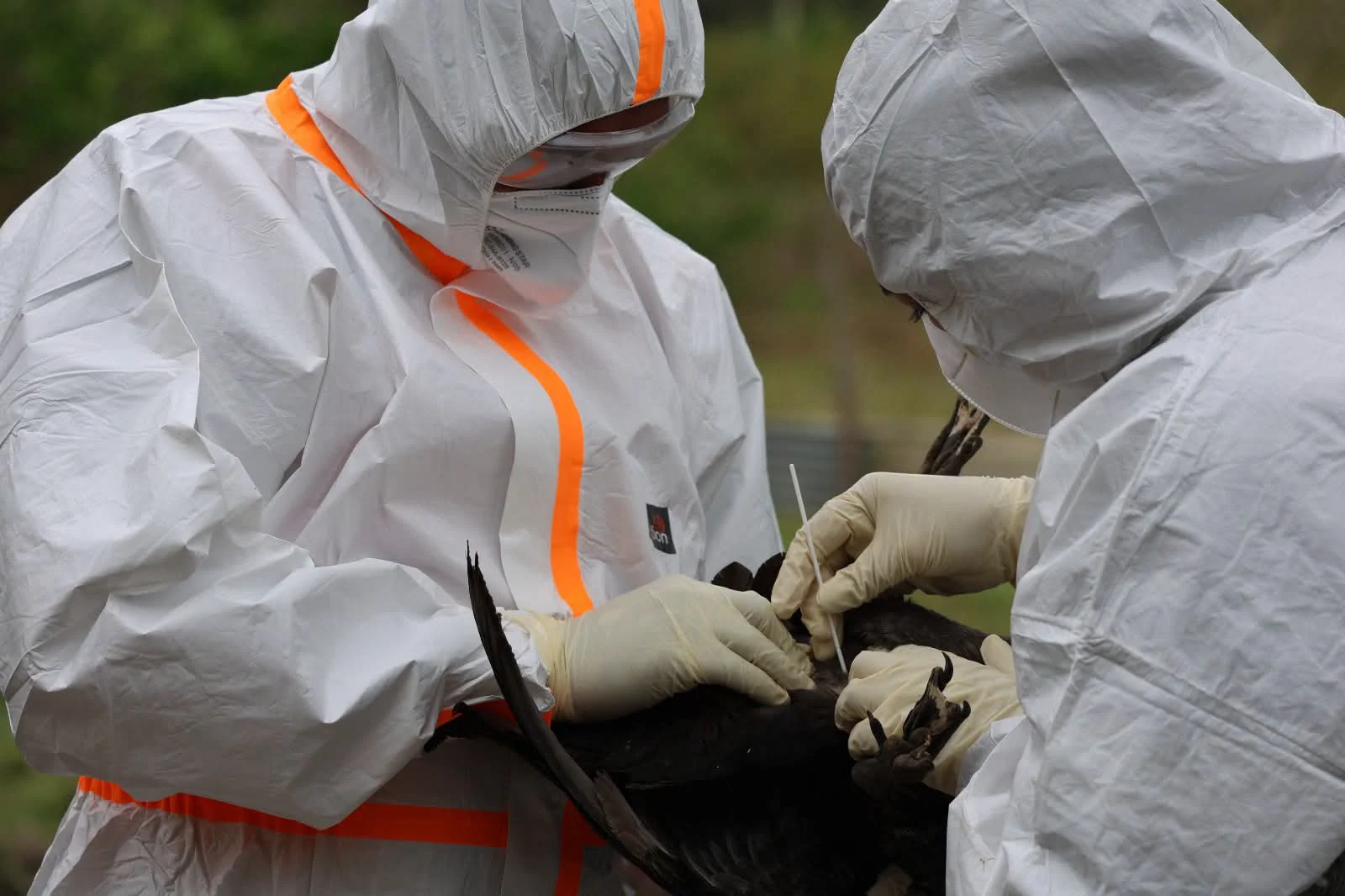
Fiji has strengthened its preparedness for potential outbreaks of Highly Pathogenic Avian Influenza (HPAI), commonly known as bird flu, through a regional simulation exercise involving several Pacific countries.
The exercise was led by the Biosecurity Authority of Fiji (BAF) and the Ministry of Agriculture and Waterways, with support from the U.S. Embassy in Suva and in partnership with the Pacific Community (SPC).
Participants from Tonga, Vanuatu, Solomon Islands, Kiribati and Palau also took part in the exercise.
The simulation focused on strengthening early detection, coordination and response systems for animal disease outbreaks.
The U.S. Embassy said animal diseases can cross borders quickly, making regional preparedness essential to protecting food security, agricultural livelihoods and public health.
It said strengthening Fiji’s ability to detect and respond to disease threats early would help contain outbreaks before they spread across the Pacific.
The exercise also supports wider efforts to build stronger regional disease surveillance networks and improve cooperation between Pacific countries during animal health emergencies.
The U.S. Embassy said the initiative reflects its commitment under the America First Global Health Strategy to strengthening global surveillance and response systems capable of containing emerging disease threats.
The exercise provided participating countries with an opportunity to test their preparedness and coordination while strengthening regional cooperation in the event of a future HPAI outbreak.
More from Duavata

Rabuka Reaffirms Commitment to Media Freedom Ahead of Pacific Media Summit

Police Seize Suspected Marijuana in Lautoka, Savusavu and Labasa
TLTB Says Rice Farm Lease Renewals in Bua Not Being Widely Rejected

MSAF Warns Mariners to Follow Weather Advisories After Vessel Capsizes