

Smart glasses cheating case puts universities on alert
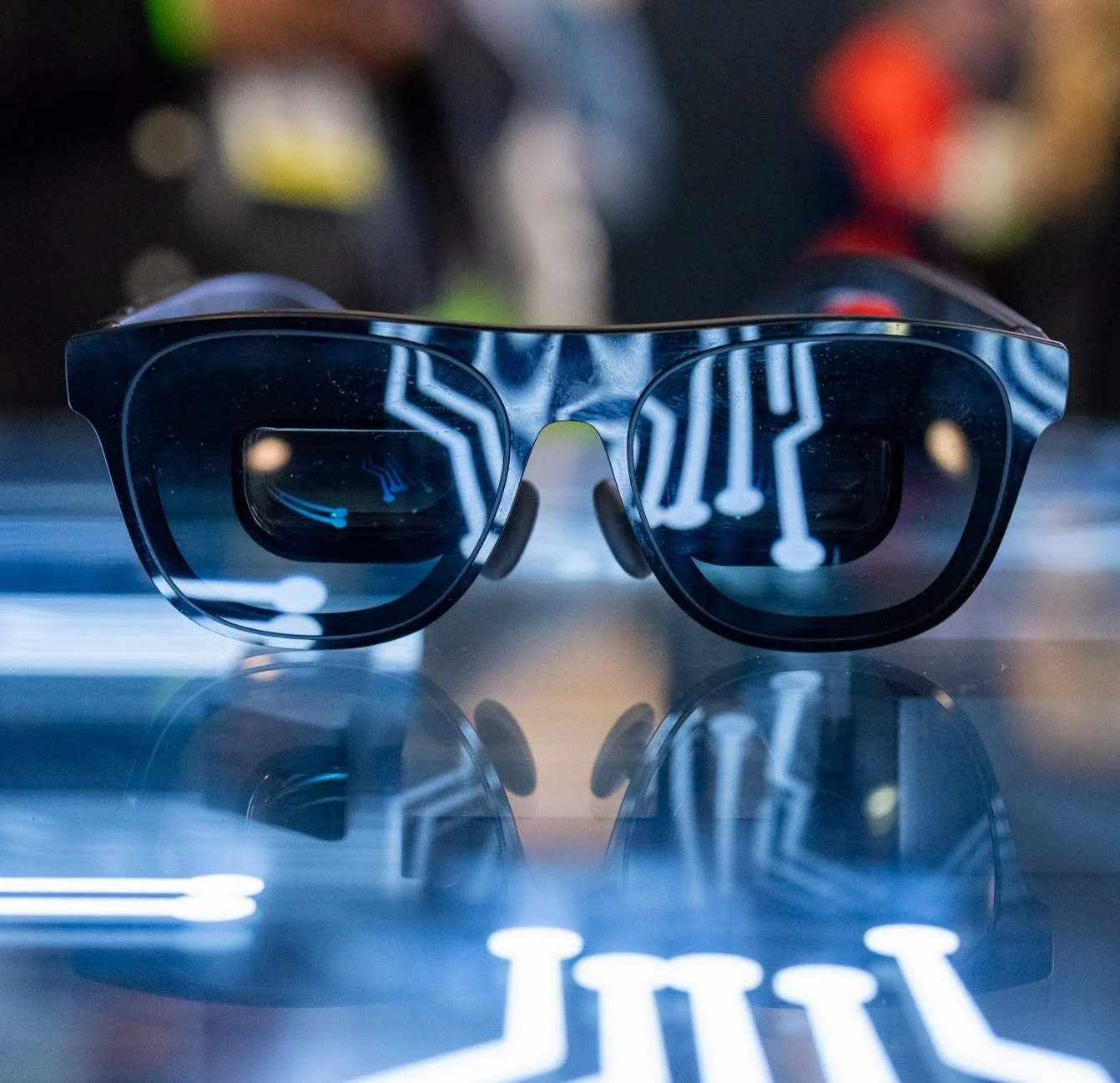
A University of Auckland student has been penalised after being caught wearing smart glasses during a test, raising concerns about how emerging technology could be used to cheat in assessments.
The incident has highlighted the challenges universities could increasingly face as smart glasses become more accessible, with some models featuring built-in cameras and artificial intelligence capabilities.
University of Auckland Computer Science Senior Lecturer Ulrich Speidel says the technology could potentially allow students to capture exam questions, send them to another person or an AI system, and receive information through the glasses.
A University of Auckland spokesperson says an invigilator spotted the student wearing smart glasses during the test, despite students being explicitly told beforehand that smart glasses and smartwatches were not permitted.
The glasses were removed and the student was allowed to continue with the test.
The university subsequently carried out an academic integrity investigation and imposed a penalty on the student, although it has not disclosed the nature of the punishment.
Speidel says the incident shows exam invigilators will need to become increasingly vigilant as wearable technology continues to develop.
Some smart glasses can be identified by features such as thicker hinges or larger bridges. Another possible measure, particularly where students require prescription smart glasses, could involve covering the cameras with masking tape during assessments.
The issue is expected to become more challenging as smart glasses and other AI-enabled wearable devices become more widely available.
The University of Auckland says it will continue monitoring emerging technologies as part of its efforts to protect academic integrity.
More from Duavata