
Doctors and Nurses Unsafe in Rural and Maritime Areas
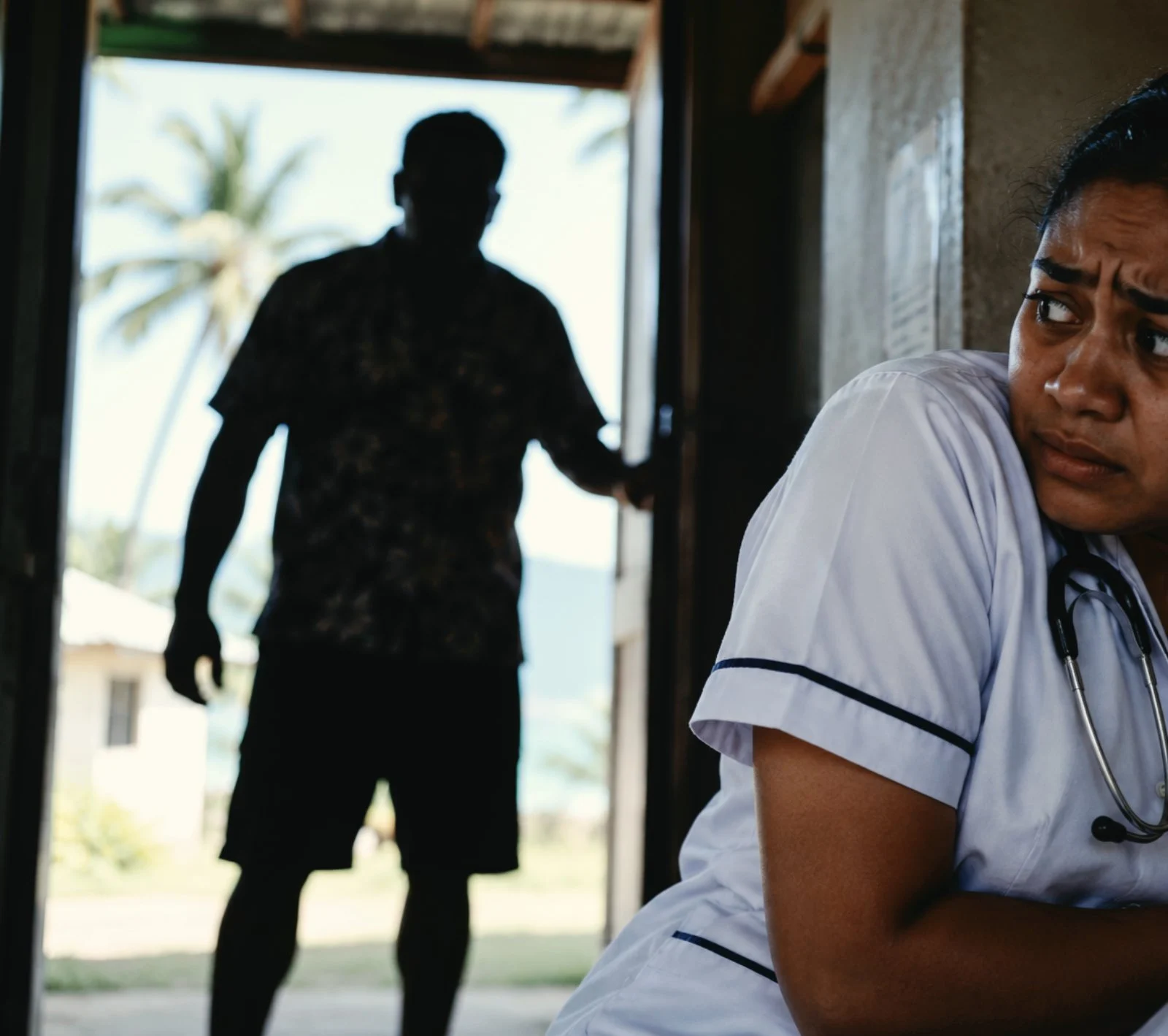
The safety of doctors and nurses serving in Fiji’s rural and maritime communities remains a serious concern, with past incidents of sexual harassment, assault and intimidation raising questions about whether enough is being done to protect frontline healthcare workers.
The concerns come as the Ministry of Health continues to face difficulties deploying nurses to isolated communities, with safety fears adding to existing staffing shortages.
In March this year, Chief Nursing and Midwifery Officer Colleen Wilson acknowledged that posting nurses to islands such as Moce, Komo, Cikobia and Ono-i-Lau remained challenging.
She confirmed that nurses had been withdrawn from Ono-i-Lau following an incident involving the alleged sexual harassment of a female nurse and threats against medical personnel in December 2025.
The incident prompted the Ministry to temporarily relocate healthcare workers in January, leaving the island dependent on alternative healthcare arrangements, including virtual consultations and community health workers.
At the time, the Ministry announced that a permanent security and staffing framework would be established before full services were restored.
However, it remains unclear whether that framework has been completed and what additional protection is now available to medical personnel working in remote locations.
The Ono-i-Lau incident was not an isolated concern.
In another reported case, a nurse who served in Lau in 2021 alleged that she was repeatedly sexually harassed by a traditional chief while providing medical treatment.
She also alleged that she was discouraged from pursuing a formal police complaint after a traditional reconciliation took place.
Similar concerns were publicly acknowledged in 2022 by then Health Minister Dr Ifereimi Waqainabete, who revealed that serious assaults against healthcare workers were being reported alongside incidents involving threats, attempted sexual assault and invasions of privacy.
The issue of maritime healthcare worker safety came under further scrutiny in July this year when six medical personnel survived more than 36 hours at sea after their boat experienced engine failure and capsized during an outreach assignment in Lau.
Following the incident, Assistant Minister for Health Penioni Ravunawa acknowledged the need to review safety arrangements for healthcare workers travelling between islands.
While the dangers at sea are different from harassment and intimidation within communities, both highlight the risks faced by medical personnel delivering essential services in isolated parts of Fiji.
The continuing concerns also raise questions about the responsibility of communities to protect healthcare workers stationed in their villages and islands.
Doctors and nurses are often posted far from their families, with limited access to police assistance and emergency support.
For communities already struggling to access healthcare, the withdrawal of even one doctor or nurse can have serious consequences.
Despite repeated warnings over the years, there is still no clear public picture of how many healthcare workers have reported sexual harassment, assault or intimidation while serving in rural and maritime Fiji.
There are also unanswered questions about the effectiveness of existing reporting procedures, security arrangements and the protection available to female nurses working in isolated facilities.
More from Duavata

This Is Why I Left SODELPA, Says Abel

Nemani urges families to put children’s safety first
Valenitabua Sworn In as Acting Attorney-General
Burst Water Main Causes Disruption at CWM Hospital